
Description
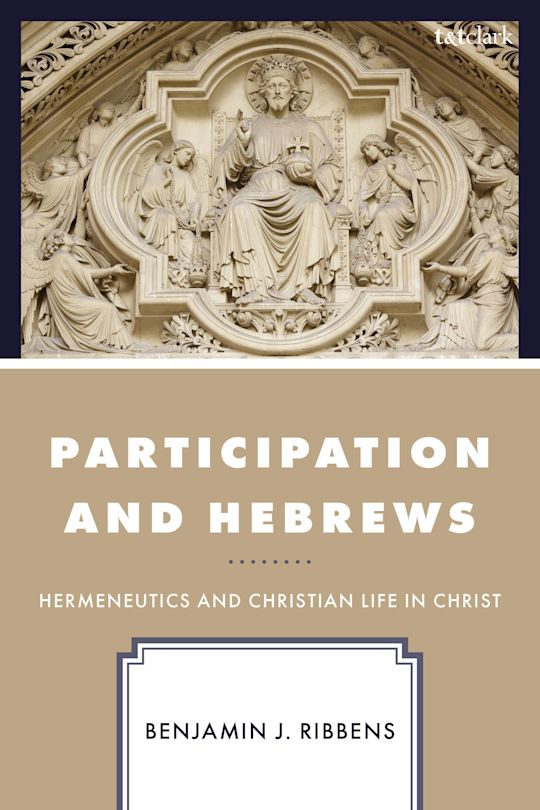
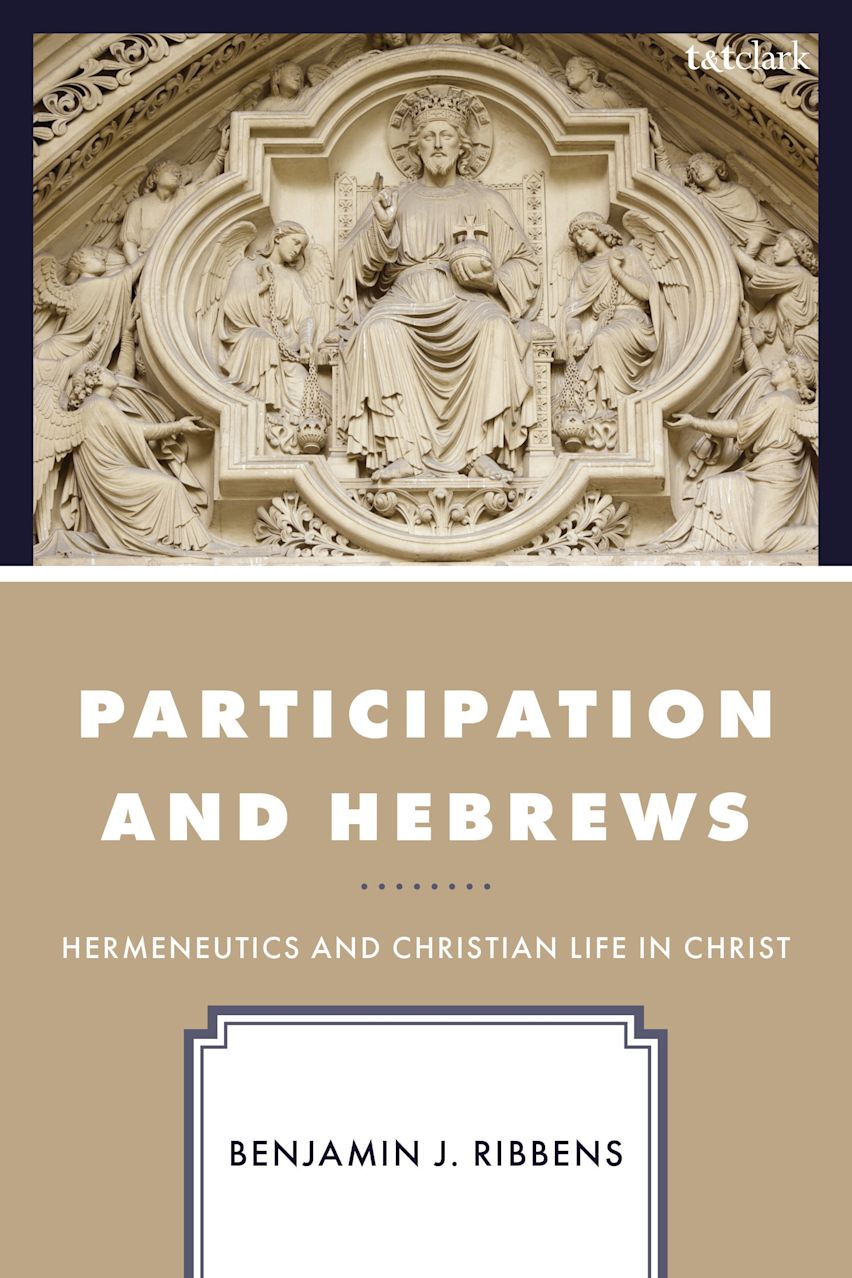
In this book, Benjamin Ribbens illuminates a central unifying theme in the Biblical book of Hebrews: participation.
Across four sections (The Literal and Christological Senses; The Teleological Sense; The Tropological Sense; Soteriology), Ribbens brings together Hebrews scholarship with participatory exegesis, union with Christ, and a broad framework of participation. Such an emphasis on participatory exegesis-as outlined by Matthew Levering and Hans Boersma-resolves tensions within contemporary Hebrews scholarship, introducing a biblical studies methodology into theological inquiries. In doing so, Ribbens offers a fresh reading of Hebrews, building on on-going discussions within the field of the Hebrews' call for active participation in and with the divine.
Table of Contents
1: Participatory Exegesis – The Literal and Christological Senses
2: Participatory Exegesis – The Teleological Sense
3: Participatory Exegesis – The Tropological Sense
4: Participation in Christ – Soteriology
5: Reading Scripture as Participatory Experience
Conclusion
Product details
| Published | 06 Aug 2026 |
|---|---|
| Format | Ebook (Epub & Mobi) |
| Edition | 1st |
| Pages | 208 |
| ISBN | 9781978764996 |
| Imprint | T&T Clark |
| Publisher | Bloomsbury Publishing |
Reviews
Related Titles