Classicism and the Construction of Capital Cities
London, Athens and Rome in the Nineteenth Century


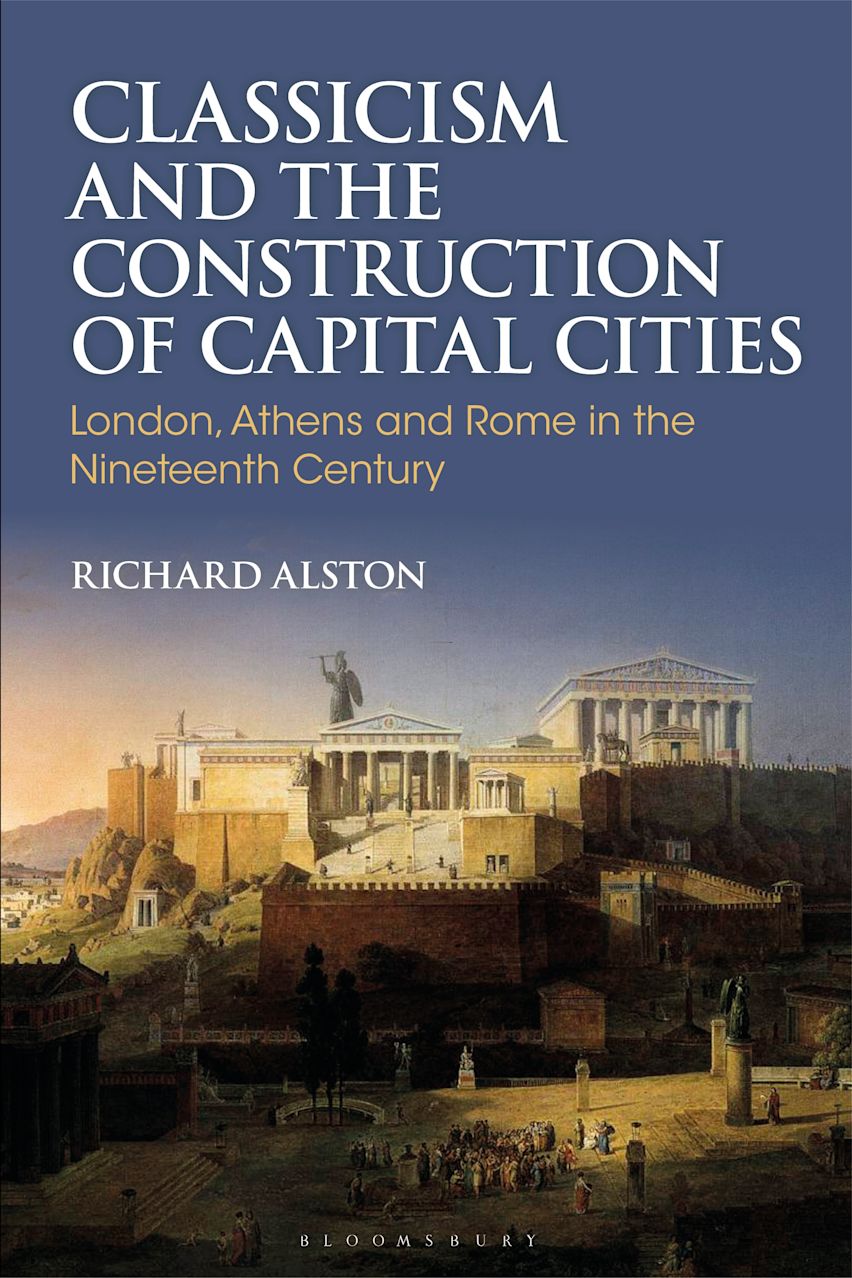
Classicism and the Construction of Capital Cities
London, Athens and Rome in the Nineteenth Century
This product is usually dispatched within 1 week
- Delivery and returns info
-
Free US delivery on orders $35 or over
Description
Exploring the intriguing interplay between tradition and modernity in the 19th-century capitals of London, Athens and Rome, Richard Alston delves into the political and architectural choices that shaped these cities as representations of self-consciously modern nations. Politicians and architects invested in classical styles in their efforts to break with traditions and assert new values. Classical style was employed to address questions of urbanism and nation, citizenship and belonging, and history and civilization. The story of 19th-century architectural Classicism offers a compelling narrative of utopian dreams clashing with authoritarian politics to generate the complexities of modern urban landscapes.
Through these three case studies, this book illuminates how Classicism became a potent tool for expressing elitist nationalism in London, excluding Greeks from their own capital in Athens, and reinforcing aspiration to a technocratic, new Rome. As such grand visions collided with modern urban realities, Alston unravels the mythic allure and ultimate failure of these utopian endeavours. This book presents a riveting exploration of the architectural choices that reflected the aspirations and challenges of a rapidly changing world, leaving a lasting impact on the capitals and their nations.
Table of Contents
Preface
1. An Essay on the Reception of Classical Architecture
2. London: A Civil Society: 1800 - 1820
3. Athens: The Colonisation of Greece: 1830 - 1846
4. Rome: City of Unity: 1870 - 1911
5. Fascist Rome: Scenes of Fantasy: 1922 – 1943
6. Epilogue: Classicism and Authoritarianism
Notes
Bibliography
Index
Product details

| Published | Jun 12 2025 |
|---|---|
| Format | Hardback |
| Edition | 1st |
| Pages | 232 |
| ISBN | 9781350445314 |
| Imprint | Bloomsbury Academic |
| Illustrations | 54 bw illus |
| Dimensions | 9 x 6 inches |
| Series | Bloomsbury Studies in Classical Reception |
| Publisher | Bloomsbury Publishing |
Reviews

ONLINE RESOURCES
Bloomsbury Collections
This book is available on Bloomsbury Collections where your library has access.
Related Titles