- Home
- ACADEMIC
- Religious Studies
- Christianity
- Divine Wisdom in the Digital Age
Divine Wisdom in the Digital Age
Sergius Bulgakov's Sophiology and Its Relevance to AI, Cybernetics, and Life-Extension Technologies
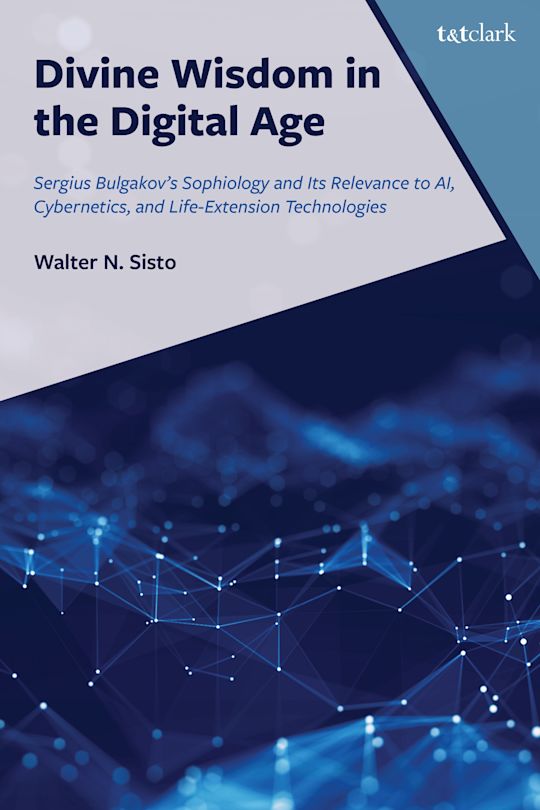
Divine Wisdom in the Digital Age
Sergius Bulgakov's Sophiology and Its Relevance to AI, Cybernetics, and Life-Extension Technologies

Payment for this pre-order will be taken when the item becomes available
- Delivery and returns info
-
Free US delivery on orders $35 or over
You must sign in to add this item to your wishlist. Please sign in or create an account
Description
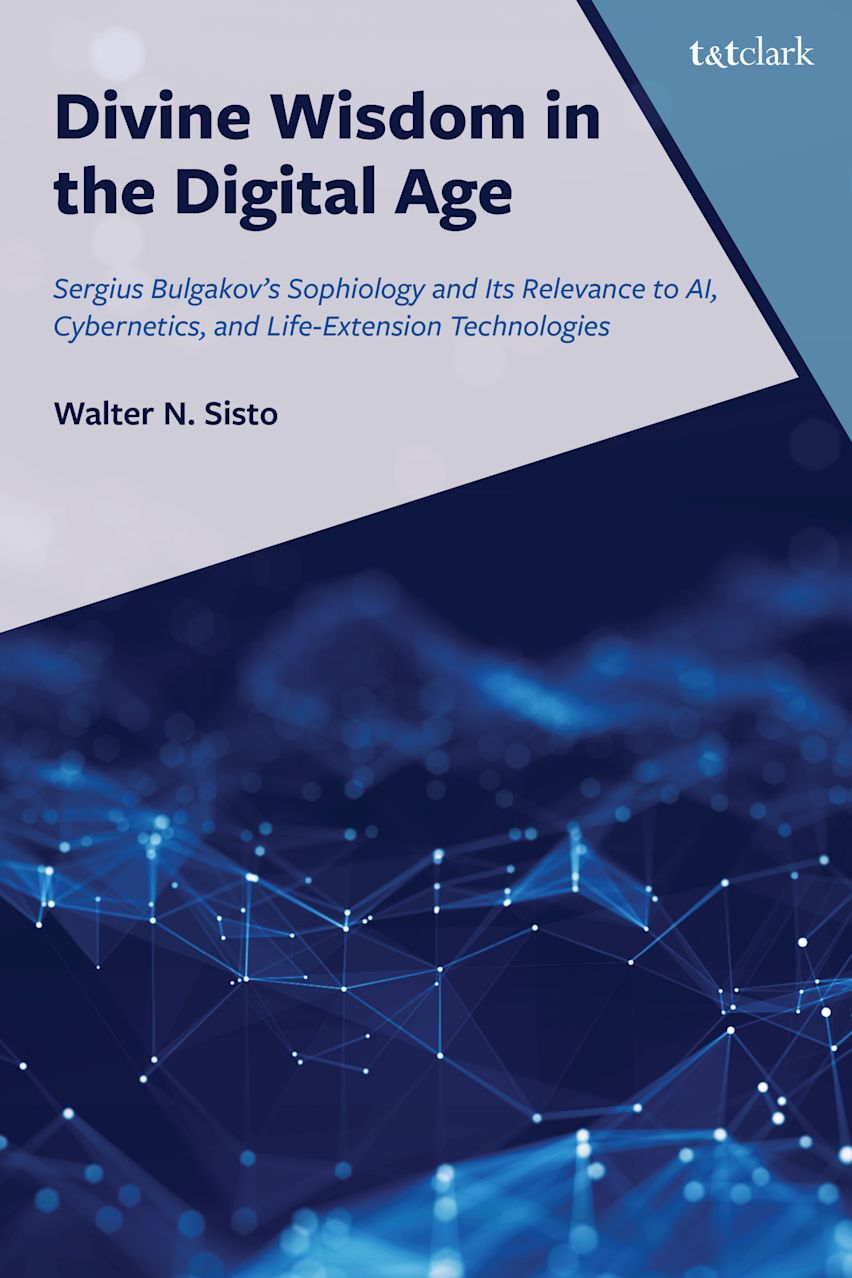
What role, if any, should AI technologies have in the church and to what end?
In this book, Walter Sisto contends that the sophiological perspective of Father Sergius Bulgakov (1871-1994) lays a path for the church during the rapid rise of artificial intelligence. What distinguishes Bulgakov's theology is not merely his Russian Orthodox sophiological framework, but his prophetic vision for the Church's active engagement with modernity-a vision this book seeks to extend. Building upon Bulgakov's theological thought primarily written during his Paris period, Sisto articulates an Eastern Christian response to cybernetic, life extension, and AI technologies that speaks not only to Eastern Catholics and Orthodox believers, but to all Christians confronting ethical challenges posed by technologies that threaten to redefine human identity and humanity's unique role within creation.
Table of Contents
1: Bulgakov and his Sophiology
2: Sophiology and an Analysis of Cybernetic Technologies
3: Sophiology and the AI Revolution
4: A Sophiology of Death and Indefinite Life Extension Technologies
Conclusion
Bibliography
Product details
| Published | Sep 03 2026 |
|---|---|
| Format | Hardback |
| Edition | 1st |
| Pages | 288 |
| ISBN | 9781666943375 |
| Imprint | T&T Clark |
| Dimensions | 9 x 6 inches |
| Publisher | Bloomsbury Publishing |
About the contributors
Reviews
-
Sisto is meticulous in his exposition of Bulgakov's vision and his command of Bulgakov's texts is remarkable. He deftly connects the strands of Bulkavov's Sophiology to the AI and cybernetic technologies that are being developed. This makes me think of the stellar work of say a John Polkinghorne, or the ongoing efforts of Eastern Orthodox scientist and theologian Gayle Woloshock.
The Rev. Michael Plekon, The City University of New York, Baruch College
-
In his new book, Walter N. Sisto proposes a novel and compelling approach: viewing sophiology-the teaching on the Divine Wisdom-from the perspective of contemporary issues. The author considers the relevance of sophiology to cybernetic technologies, AI, and life extension technologies. As Sisto points out, these challenges can be considered through the lenses of Bulgakov's theology of the imago Dei, the sophiology of labor, and the sophiogy of death. Sisto offers an original and in-depth reflection, engaging in insightful analyses and inviting the reader into Bulgakov's dialogue with the problems of contemporary civilization.
Teresa Obolevitch, Pontifical University of John Paul II
-
A stimulating discussion of the benefits and perils of AI technology for human enhancement from the perspective of Sergii Bulgakov's Sophiology, Walter Sisto's book is an urgent appeal for a reasoned Christian response to the social and individual transformations already underway in North America and beyond. While the book focuses on a wide range of AI technologies and their potential to mediate God's concern for all of creation, especially valuable is Sisto's treatment of death, offering a noble and inspiring perspective on mortality and what it means to be human that resonates with Bulgakov's own profound thought on the subject.
T. Allan Smith, University of St. Michael's College, Toronto
-
This book accomplishes two things: 1) First, it provides a substantive theological engagement with the timeliest issues of our day-AI, Cybernetics, and Life-Enhancing Technologies. 2) It contributes to recent literature that demonstrates that the significance of Sergius Bulgakov is not simply the theological content he provided, but in the way he did theology. Sisto shows that Bulgakov's openness to the world around him provided a kind of theology that can address the challenges we face 80 years after his death. One of the best books on theology and, what one might call, the technologies of the human.
Aristotle Papanikolaou, Archbishop Demetrios Chair in Orthodox Theology and Culture, Fordham University