The Dynamics of Mobility in African Languages and Literatures
Opportunities and Challenges
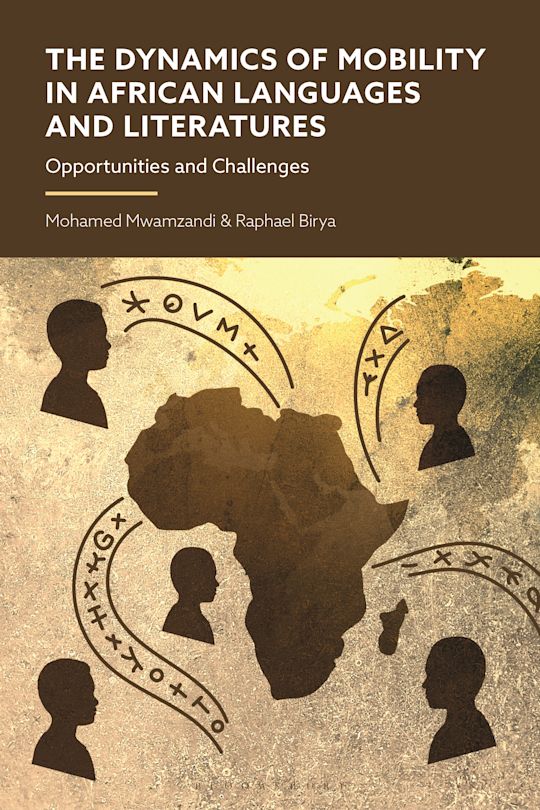

The Dynamics of Mobility in African Languages and Literatures
Opportunities and Challenges
Payment for this pre-order will be taken when the item becomes available
- Delivery and returns info
-
Free US delivery on orders $35 or over
Description
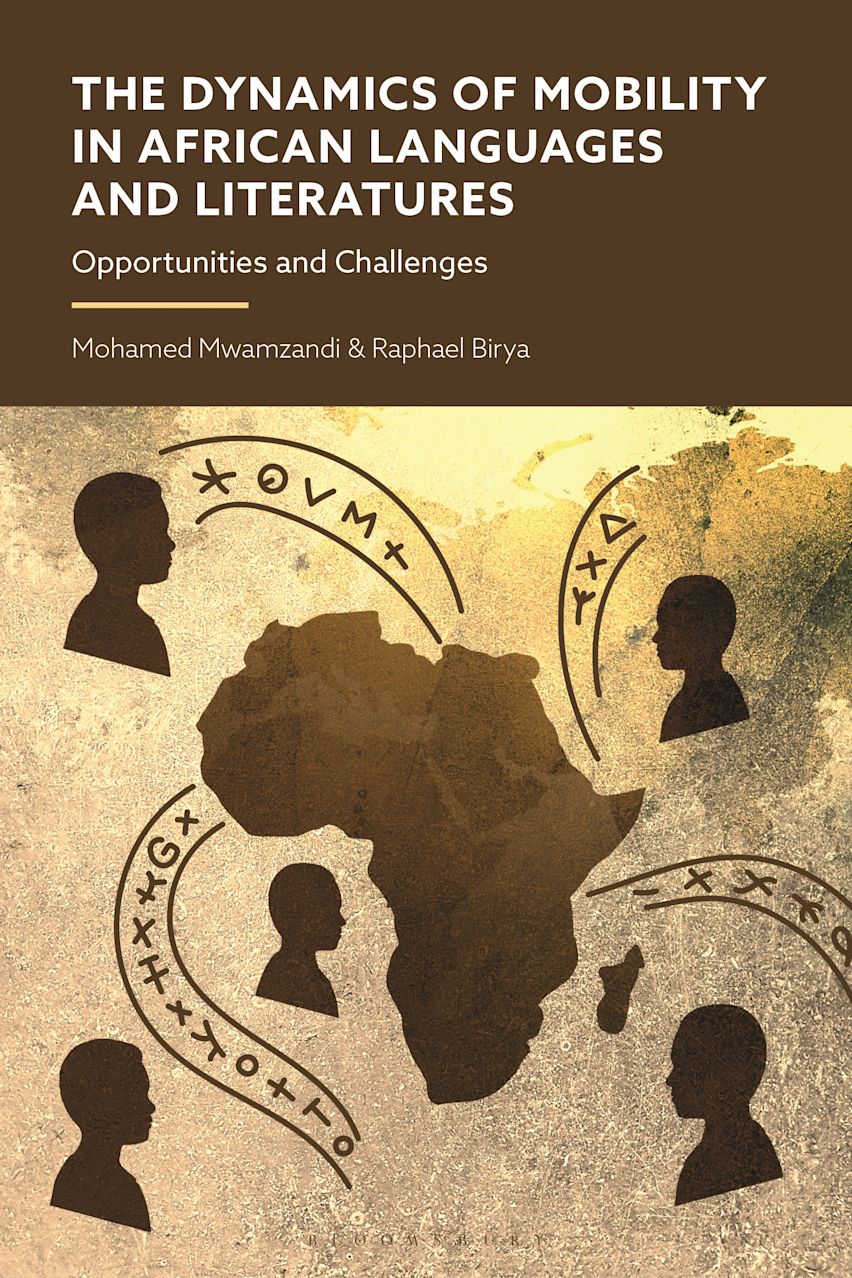
This book is creates avenues for reflecting on the place of language and literature in the formation of contemporary African identities and institutions in the global age.
The works explored in this book include those written by people of African descent in the continent and “physically and culturally mobile writers” in the diaspora. Africa has been the center of movement and interconnectedness of diverse people and geographies for centuries. Furthermore, both physical and virtual mobility via contemporary technologies such as the internet have brought about new words, hybrid cultures, identities and institutions that open up new avenues, opportunities and challenges to the continent and people of African descent at large.
This book is a collection of twelve chapters that address the question of mobility in three thematic areas: Afro-diasporic cultures and literatures (Part 1); resistance and rebellion in the postcolonial era (Part 2); and resilience and challenges faced by African languages in the continent and the global stage (Part 3).
Table of Contents
List of Tables
About the Contributors
Acknowledgments
Introduction
Mohamed Mwamzandi and Raphael Birya
Part One
1. Far from Home but Never Far from Home: Exploring Swahili's Diasporic Literature
Leonard Muaka
2. Breaking Chains of the Mind: African Immigrants' Battle with Mental Slavery in Ama Ata Aidoo's Our Sister Killjoy or Reflections from a Black-eyed Squint
Juliet Adaobi Chukwuma and Martha Michieka
3. Carolina Maria de Jesus: Literature, Social Mobility, and Racial Justice from a Black Brazilian Woman's Perspective
Maria Carolina Almeida de Azevedo
4. The Nervous Condition: An Analysis of Identity Crisis and Post/Colonial Survival in the African Novel
Denis Waswa
5. Colonial Legacies and Education Reform: Analyzing Tsitsi Dangarembga's Nervous Conditions
Mohamed Mwamzandi
Part Two
6. Curriculum and Pedagogical Approaches to Teaching English in Tanzania
Beatrice Mkenda
7. The State of African Languages, Literatures and Global Mobility
Esther Mukewa Lisanza
8. Influence of “Kanga” on Swahili Culture in the Cultural Mobility Epoch
Raphael Birya
9. Language and Creativity in Igbo Literature: A stylistic Examination of Chukuezi's Udo ka Mma
Anyachebelu, Adaora Lois
Conclusion
Raphael Birya and Mohamed Mwamzandi
Product details

| Published | Oct 15 2026 |
|---|---|
| Format | Hardback |
| Edition | 1st |
| Pages | 208 |
| ISBN | 9781666973310 |
| Imprint | Bloomsbury Academic |
| Dimensions | 9 x 6 inches |
| Publisher | Bloomsbury Publishing |
Reviews
Related Titles