
Espionage and Treason in Classical Greece
Ancient Spies and Lies
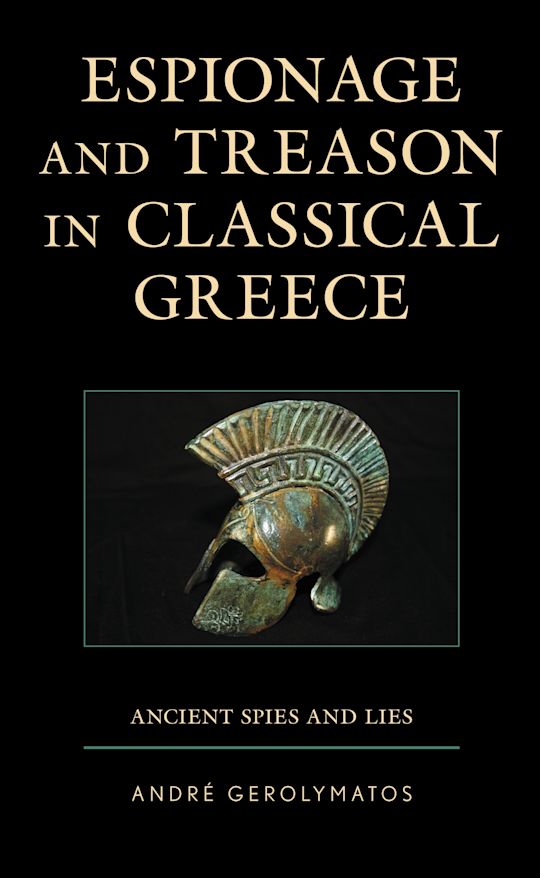

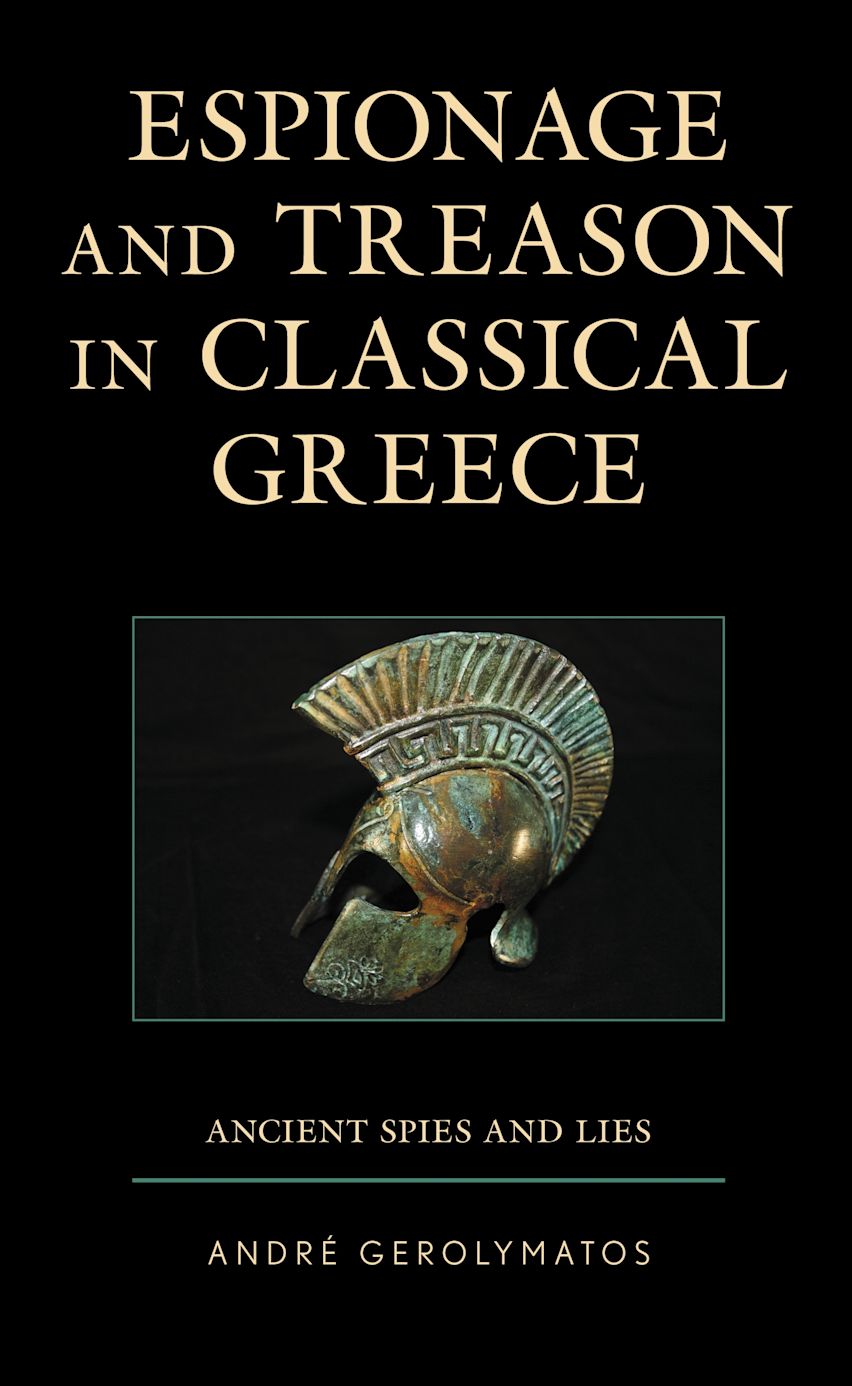
Espionage and Treason in Classical Greece
Ancient Spies and Lies
Quantity
In stock
$33.80
RRP $42.25
Website price saving $8.45 (20%)
Description
This history of ancient diplomacy demonstrates how the ancient Greeks used guest-friendship as a mechanism of diplomacy. Ancient proxenoi were the equivalent of contemporary consul-generals and they served some of the same purposes. The proxenoi conducted the diplomatic affairs of the state they represented and looked after the interests of the city-state that had adopted them. In times of war the proxenoi maintained spies and supplied intelligence on the movements of fleets and armies.
Table of Contents
Foreword, Paul Cartledge
Preface
Acknowledgments
Chapter 1: The Problem
Chapter 2: The Methods
Chapter 3: The Evidence
Chapter 4: The Analysis
Chapter 5: Conclusions
Appendix A: Proxenia Texts in IGi3
Appendix B: Catalogue of Proxenoi Engaged in Intelligence Activities
Appendix C: Nikias of Gortyn
Appendix D: Catalogue of Proxenoi included in this Study
Appendix E: The Role of the Proxenia in Inter-State Relations
Preface
Acknowledgments
Chapter 1: The Problem
Chapter 2: The Methods
Chapter 3: The Evidence
Chapter 4: The Analysis
Chapter 5: Conclusions
Appendix A: Proxenia Texts in IGi3
Appendix B: Catalogue of Proxenoi Engaged in Intelligence Activities
Appendix C: Nikias of Gortyn
Appendix D: Catalogue of Proxenoi included in this Study
Appendix E: The Role of the Proxenia in Inter-State Relations
Product details
| Published | Nov 23 2019 |
|---|---|
| Format | Ebook (Epub & Mobi) |
| Edition | 1st |
| Pages | 122 |
| ISBN | 9781498583398 |
| Imprint | Lexington Books |
| Publisher | Bloomsbury Publishing |
Reviews

ONLINE RESOURCES
Bloomsbury Collections
This book is available on Bloomsbury Collections where your library has access.
Related Titles

$108.00
RRP $120.00






$108.00
RRP $120.00