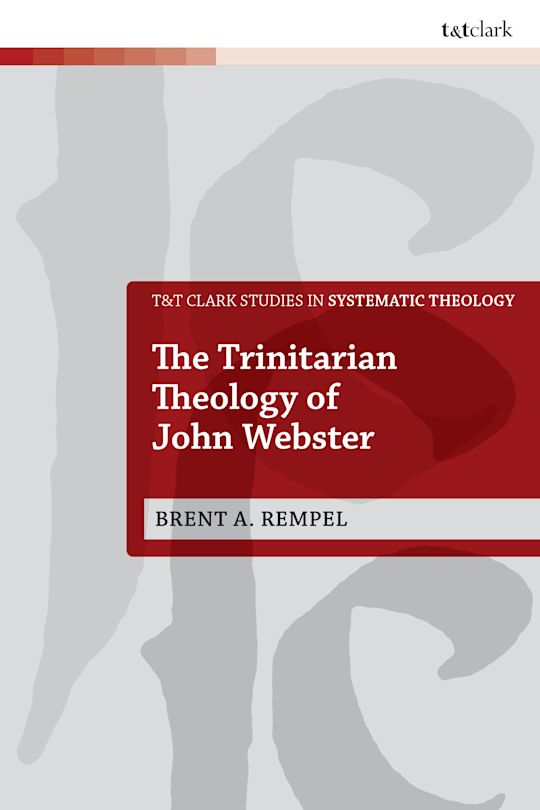

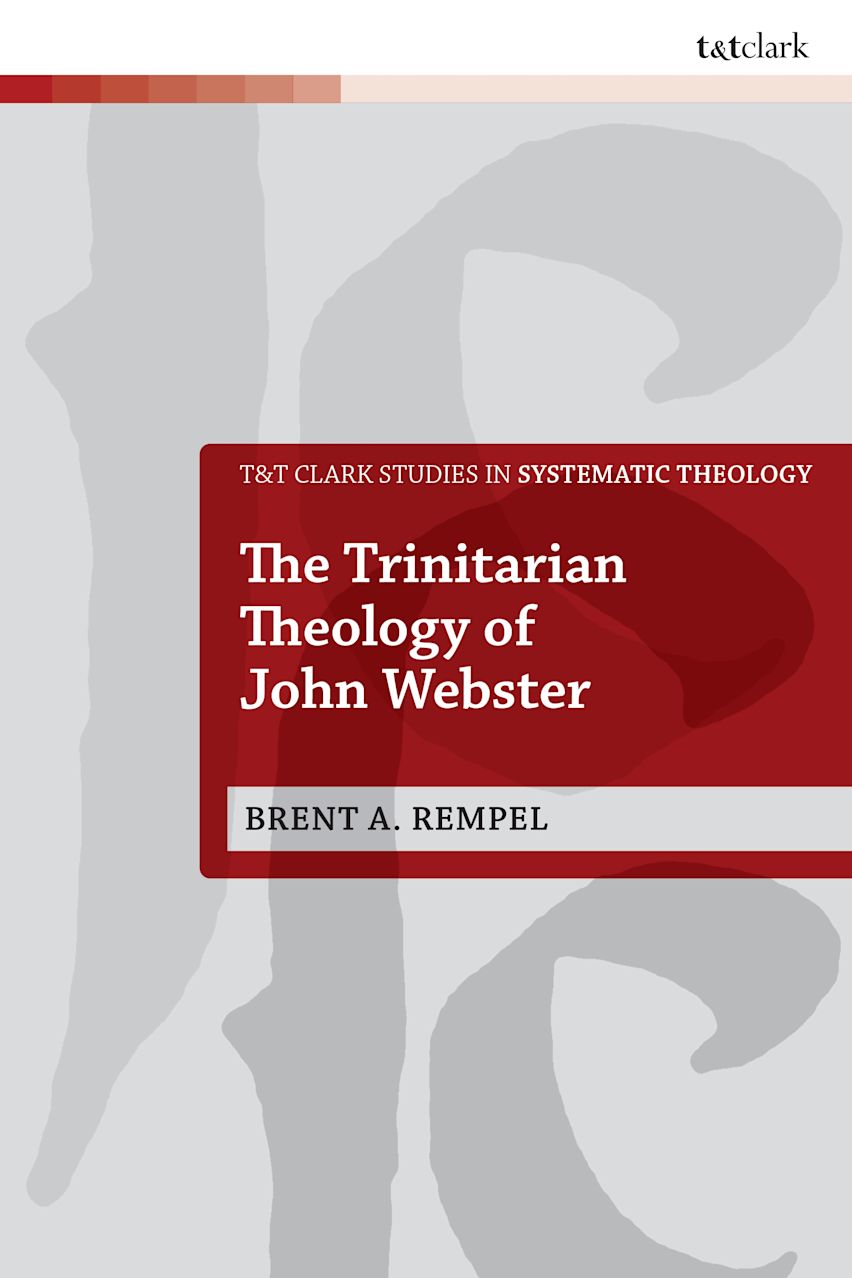
The Trinitarian Theology of John Webster
Payment for this pre-order will be taken when the item becomes available
Description
This work traces the contours, shape, and development of Webster's Trinitarian theology and subsequently enliven debates in contemporary systematic theology. Rempel deftly takes us from Webster's engagement with Eberhard Jüngel and Karl Barth to his later concerns with Trinity, economy and Christian Distinction.
This journey allows Rempel to identify Webster's contributions to contemporary systematic theology with a retrieval of divine perfection as well as a reframing of the doctrines of revelation and election. This work also highlights how Webster's work interacts with and diverges from other major theologians, such as Thomas Aquinas and Robert Jenson. This, ultimately, leaves a work that brings Webster's theology to bear on several debated issues in contemporary systematic theology.
Table of Contents
1. God the Trinity in Karl Barth
2. The Road to Basel (1980-1994)
3. Discovering Dogmatics (1995–2002)
4. God's Perfect Life (2003–2006)
5. 'Qui est' (Ex 3:14): Thomas Aquinas's Doctrine of God
6. Perfection and Presence (2007-2009)
7. Divine Goodness and the 'Christian Distinction' (2010–2016)
8. Trinitarian Theology 'after' John Webster
Bibliography
Index
Product details
| Published | May 14 2026 |
|---|---|
| Format | Ebook (PDF) |
| Edition | 1st |
| Pages | 232 |
| ISBN | 9780567726995 |
| Imprint | T&T Clark |
| Series | T&T Clark Studies in Systematic Theology |
| Publisher | Bloomsbury Publishing |
Reviews
Related Titles